
Does a Solar Power System Increase
the Value of My Property?
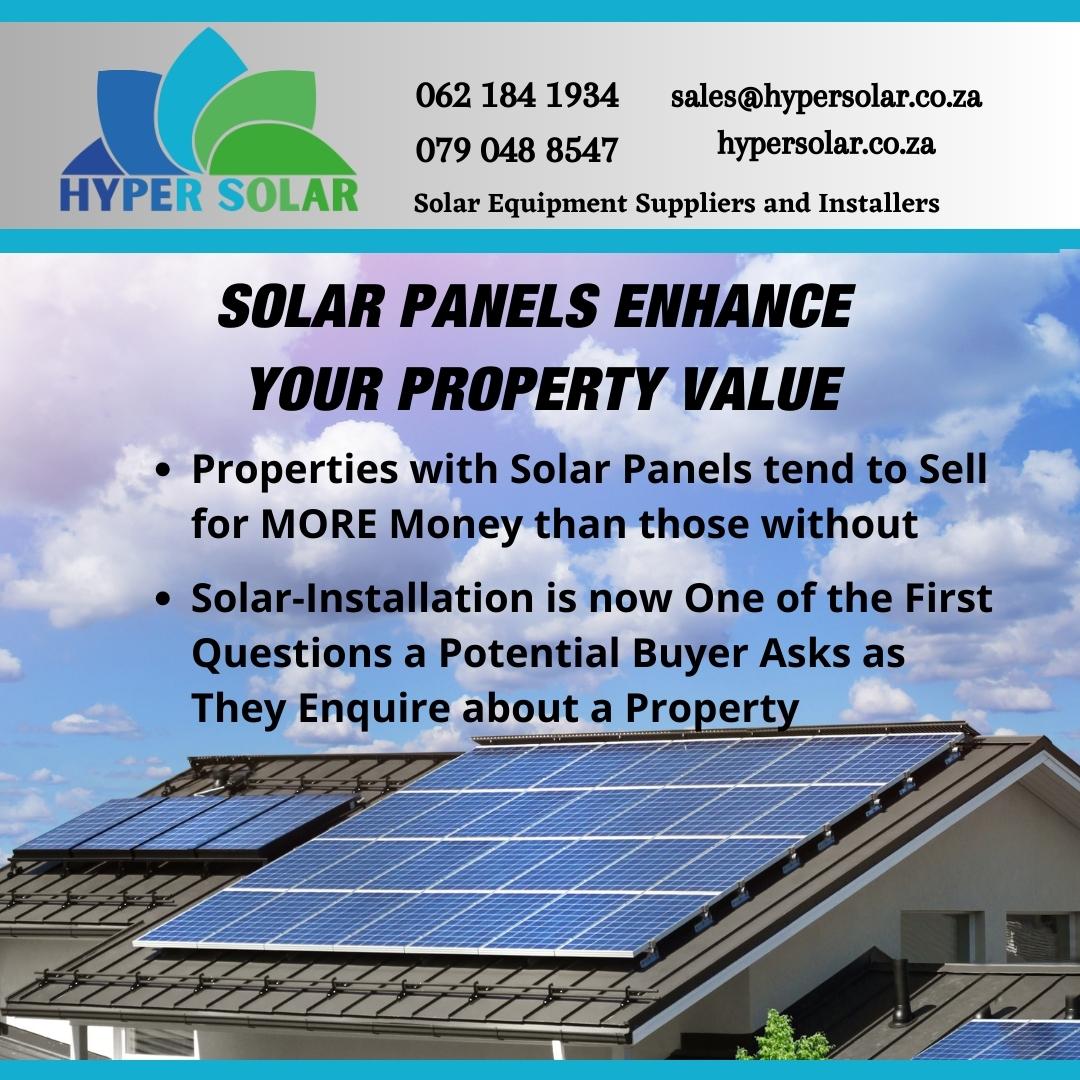
Many homeowners are seeking alternative energy solutions to secure a more sustainable and cost-effective future. One such option that has gained popularity is solar power systems.
Let’s explore the impact of solar panel installations on property value, and learn why making the switch to solar energy can not only benefit the environment but also your home’s value.
The Solar Power Value Proposition
According to a global study conducted by the Lawrence Berkeley National Laboratory, homeowners in the United States were willing to pay a premium of $15,000 for a home equipped with an average-sized solar panel system. Additionally, the National Renewable Energy Laboratory found that solar-powered homes sold for 17% more than those without solar panels in the US. While these studies are from the US, they shed light on the positive impact of solar power systems on property values.
South Africa is experiencing a similar phenomenon, with a growing interest in solar installations among eco-conscious homeowners. The demand for solar-powered homes is on the rise, and this is reflected in the local real estate market. Experts from MyProperty.co.za and RE/MAX have noted that solar installations have become a sought-after feature, with potential buyers considering it a significant value-added component.
A Journey Worth Taking
While solar power systems offer numerous benefits, it’s important to recognize that transitioning to solar energy is a process and not an instant fix.
Achieving Solar Parity, where the cost of solar equals or is less than traditional electricity from the utility company, requires time and effort. Qualifying for rebates and ensuring proper paperwork completion can be time-consuming.
Moreover, some providers may experience backlogs in solar hardware availability, leading to delays in installations. However, the benefits far outweigh the challenges, and being patient in the solar queue is worth the wait.
The Local Real Estate Industry's View on Residential Solar Investments
South African real estate experts have differing opinions on solar installations. While some may consider it an expensive investment, the overall consensus is that solar panels add significant value to a property. The unique selling point of solar installations becomes evident when potential buyers show genuine interest in the technology’s performance and long-term benefits, such as energy savings and reduced carbon footprint.
According to Adrian Goslett, Regional Director and CEO of RE/MAX of Southern Africa, “Adding residential solar power to your home is an expensive exercise. Those who do go to the trouble of having it installed are unlikely to sell anytime soon. This could mean that the demand for solar-powered homes could potentially outstrip supply, which could subsequently push up the price of these homes.”
Similarly, Karryn Cartoulis of RE/MAX Living in Cape Town emphasizes the growing importance of solar installations in the real estate market, stating, “It (a solar installation) is now one of the first questions a potential purchaser asks as they enter the property. The solar panels actually become a feature of a home, and clients don’t seem to be put off by their visual appearance as they are more interested in their performance. With persistent loadshedding and increasing electricity prices, it really is the only way to go – especially if you are working from home.”
Tax Benefits and Financing Options
In 2023, the South African government introduced a tax incentive for rooftop solar panel installations. Homeowners can now claim a rebate of 25% of the installation cost, up to a maximum of R15,000, reducing their tax liability for the year. This tax benefit further adds to the value of solar panel installations.
In addition to the tax incentive, many banks offer financing options for solar installations. Some banks provide a percentage of the property value as a loan for solar installations, while others determine the amount based on the loan-to-value ratio. With such financial support available, homeowners can explore various solar financing options, making the installation more accessible and valuable in the long run.
Maximizing Your Solar Investment
To ensure the solar power system maximizes your property’s value, consider the following factors:
Financing Option: Choose ownership of the solar equipment outright to transfer the benefits to the next owner easily.
Size of Installation: Install as many solar panels as you require to generate ample electricity and savings.
Hybrid Solution: Opt for a hybrid system with smart inverters and batteries to ensure electricity supply during load shedding.
Reputable Service Provider: Work with accredited providers, like Hyper Solar, using high-quality materials and offering warranties for peace of mind.
Location Matters: Ensure your roof receives adequate sunlight for efficient electricity generation.

Environmental and Long-Term Financial Benefits
Aside from the direct impact on property value, embracing solar power brings profound environmental and long-term financial benefits. By utilizing renewable energy sources like solar, homeowners contribute to reducing carbon emissions and combating climate change. As Eskom’s tariff hikes continue to burden households, solar energy’s predictable and inflation-aligned price increases offer financial stability and savings.
With the average solar panel lifespan ranging from 25 to 30 years, homeowners can enjoy decades of reduced energy costs and an eco-friendly lifestyle. Additionally, the availability of battery storage systems enables homeowners to store excess solar energy and use it during peak electricity demand or loadshedding periods, further enhancing the system’s value and resilience.
A Rising Trend in Solar Subsidies and Home Loan Integration
As solar power gains traction in South Africa, the government and financial institutions have taken proactive steps to encourage solar adoption. The introduction of the tax incentive for solar panel installations has incentivized homeowners to invest in solar energy and reap the financial rewards.
Furthermore, several banks now offer integrated home loan packages that include the cost of solar installations. By bundling solar financing with home loans, banks facilitate homeowners’ access to solar technology, making it more affordable and attractive.
Time to Go Green
As South Africa faces ongoing electricity challenges, the adoption of solar power systems presents a viable and sustainable solution. Not only does solar energy reduce dependence on traditional power grids and save homeowners money on electricity bills, but it also enhances the value of residential properties. Studies and expert opinions demonstrate that solar installations attract homebuyers and can lead to higher selling prices.
Hyper Solar, a leading solar supplier and installer in South Africa, is at the forefront of this renewable energy revolution. By offering top-tier solar products and reliable installation services, Hyper Solar empowers homeowners to embrace solar energy and its potential benefits for their homes and the environment.
Investing in a solar power system is a journey worth taking—one that undoubtedly enhances your property’s value and ensures a brighter, cleaner, and more sustainable future for all. With the rising trend of solar subsidies and integrated home loan packages, the dream of solar power is more attainable than ever before. Embrace the power of the sun with Hyper Solar and secure a brighter tomorrow for yourself and your home.
Do You Need Solar or Have Questions?
Complete Your Details on the Form
and We Will Contact You
In a Hurry? No Worries.
You can Give us a Call on:
Or WhatsApp Us Here
Related Posts
How To Beat Eskom’s Increases And Save

The 2024 Loadshedding Outlook is Code Red

Solar Systems in South Africa – Why Cheaper is Not Always Better
